





Soft pastels give some of the brightest, richest colors of any art medium. They blend like paint but are used like a pencil, which makes them fun for beginners and powerful for experienced artists. Here is everything you need to get started.

What are soft pastels?
Soft pastels are sticks made mostly of pure pigment held together with a small amount of binder. Because there is so little binder, the color is intense and the sticks feel chalky and powdery. They are different from the oil pastels many children use at school.
| Soft pastel | Oil pastel | |
|---|---|---|
| Texture | Dry, chalky, powdery | Creamy, waxy |
| Blending | Very easy with finger or stump | Harder, needs pressure |
| Layering | Many light layers possible | Gets slippery after a few layers |
| Dust | Yes, some dust | Almost none |
| Best for | Portraits, landscapes, skies, soft effects | Kids’ coloring, bold simple art |
Which Acmeliae soft pastel set to choose
- Acmeliae (SPN-12) Soft Pastel (Neon Tones) (12 Colors) (৳372) – bright neon colors for posters, illustration and eye-catching work.
- Acmeliae (SPC-36) Soft Pastel (36 Colors) (৳715) – the best starter set, with enough colors for landscapes and still life.
- Acmeliae (SPC-72) Soft Pastel (72 Colors) (৳2058) – a full range of tones for portraits and serious pastel painting.
Choose the right paper
Pastel needs paper with some texture (called tooth) to hold the powder. Smooth printing paper will not hold many layers. Colored and dark papers make pastel colors look even brighter, which is why many artists work on black paper. Try the Acmeliae (43871) Black Paper Sketch Pad (1pc) for dramatic, glowing results.

How to use soft pastels: step by step
- Sketch lightly with a pastel stick in a light color, or a light pencil.
- Block in big areas using the side of the stick with light pressure.
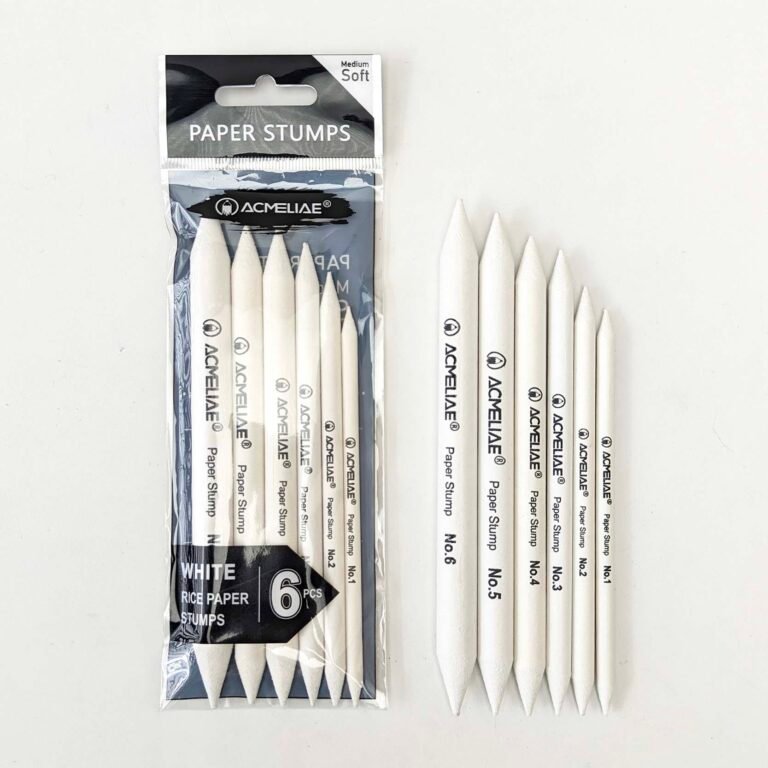
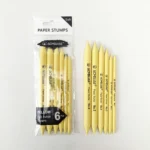
- Blend with your finger, a tissue or a paper stump. Use a clean stump for light colors.
- Build layers slowly. Light pressure keeps the paper tooth free for more color.
- Finish with details and highlights using the edge or tip of the stick, pressing a little harder.
Tips to keep your work clean
- Tap extra dust off the paper instead of blowing it.
- Rest your hand on a sheet of scrap paper so you do not smudge finished areas.
- Do not over-blend. Leaving some strokes visible keeps the painting lively.
- Store finished pastel work flat with a clean sheet of paper on top.
Soft pastel also works well together with charcoal. If you are interested in that, read our charcoal vs graphite guide.